

February 18-21, 2027

Cozy Games for People Who Think They Do Not Like Games
December 11, 2025
Some people are natural gamers. They dive into complex rules, love competition, and feel energized by fast-paced play. And then there are the rest of us. Maybe games feel overwhelming. Maybe competition brings up anxiety. Maybe you grew up thinking games were only for people who were quick, strategic, or ready to argue over rules.
A lot of adults quietly believe they are simply not gamers. They assume they will hate every game their kids love. They worry they will slow the game down or ruin the fun. And kids pick up on that. They sense the tension or worry before the box is even opened.
Cozy games create an entirely different experience. They are calm, low-pressure, welcoming, and surprisingly meaningful. If competitive games make you uncomfortable, or your child avoids anything that feels stressful, cozy gaming can be the bridge that brings everyone into the conversation.
At GameSchoolCon, we see this shift all the time. Parents who are sure they dislike games finally sit down, relax, and discover that gaming can be gentle and joyful. Kids light up when they see the adults in their lives engaging with something they care about. Cozy games make that possible.
What Makes a Game Cozy
Cozy is not exactly a genre. It is a feeling. Cozy games have a calm, inviting quality that makes it easy for people to relax and enjoy the moment. They move at a gentle pace, keep the rules forgiving, and create an atmosphere where players can explore without pressure. Most cozy games include at least a few of these qualities:
- simple, easy to learn actions
- soft or peaceful themes
- low or no conflict
- choices that do not punish mistakes
There are no timers rushing you along, no race to the finish, and no one getting knocked out halfway through. The heart of cozy gaming is comfort. These games create room to breathe, to settle in, and to enjoy the experience rather than focus on winning.
Why Cozy Games Work for People Who Usually Avoid Games
A lot of people steer clear of gaming because it feels stressful from the very start. Competitive games can activate anxiety, and complex rulebooks can overwhelm both kids and adults before the game even hits the table. Cozy games shift the entire experience. Their gentle pacing, simple actions, and predictable flow make it easier for beginners to settle in and enjoy themselves.
They are especially helpful for kids who dislike competition, teens who get lost in dense instructions, and adults who want connection without conflict. Cozy games also create a sensory-friendly environment that works well for neurodivergent players who need calm visuals or predictable routines. Because the pressure is lower, players can think clearly, regulate emotions, and stay present in the moment instead of bracing for mistakes.
Most importantly, cozy games make gaming feel approachable. They give people a way to participate without feeling judged or rushed. For many families, this is the first time everyone at the table feels comfortable enough to truly enjoy the experience together.
The Hidden Benefits of Adults Playing Their Own Games
Here is something that does not get talked about enough. Kids love seeing adults play. Even if your kids have no interest in the game you choose, watching you enjoy something inside their world matters. It shows them that play is not only for children. It models healthy downtime and emotional regulation. It tells them that their interests are worth exploring.
When you play your own cozy game, kids often wander over, watch for a bit, and get curious. You are sending the message that trying new things is normal. You are showing them that you do not have to be good at something to enjoy it. And for sensitive or anxious kids, seeing you relax with a game helps them relax too.
This is one of the most beautiful parts of gameschooling. Kids grow when the adults around them embrace play.
Cozy Video Games to Try First
Video games are often the easiest way for non gamers to start. These titles are low pressure, emotionally warm, and full of gentle goals.
Animal Crossing New Horizons
This peaceful life sim is great for beginners. You decorate your island, meet cute characters, and play at your own pace. It supports planning, patience, and creativity.
Stardew Valley
A farming and friendship game with charming characters and long term goals. It helps players build executive function skills without pressure.
Spiritfarer
A beautiful game about compassion, caregiving, and letting go. It teaches emotional intelligence in a calm and reflective way.
Unpacking
A quiet puzzle game where you unpack boxes and learn a character’s story through objects. It fosters spatial reasoning and emotional interpretation.
A Short Hike
A gentle adventure about exploration and curiosity. Perfect for players who want a relaxing, friendly world.
Cozy Grove
Daily tasks, cute ghosts, and slow progress make this one perfect for people who want a predictable, calm game.
These games are ideal for adults who want to play something peaceful and for kids who benefit from calm, structured choices.
Cozy Board Games That Create Calm and Connection
Board games can be cozy too. These titles are soothing, visually beautiful, and easy to learn.
Calico
A pattern building game where you sew quilts for cats. Relaxing, quiet, and satisfying.
Trails
A simple nature themed game with clear actions and gentle art.
Ohanami
A quick card drafting game that feels meditative rather than competitive.
The Tea Dragon Society Card Game
Adorable art and calm gameplay make this perfect for younger kids or sensitive players.
Meadow
A peaceful game about nature and discovery. Beautiful components and a relaxed pace.
Parks
A hiking themed game with soft colors and thoughtful turns.
Kokoro
A line drawing game that feels creative and calm, almost like a puzzle.
These games help families and individuals enjoy game night without the stress that competitive titles often bring.
Why Cozy Games Help With Anxiety and Emotional Regulation
Cozy games are grounding because they offer:
- predictable patterns
- soft visuals
- low stakes choices
- time to think without pressure
- gentle problem solving
- cooperative or non-competitive structure
- a focus on creativity instead of performance
These qualities help both kids and adults settle their nervous systems. Harvard’s Center on the Developing Child highlights how predictable routines and supportive environments help build resilience. Cozy games support those same emotional skills.
How Cozy Games Fit Into Gameschooling
Cozy games make learning feel effortless. While no one is drilling facts or racing a timer, players are still building real skills. The gentle pacing gives the brain space to plan, remember steps, and make flexible decisions. Story-based cozy games strengthen vocabulary and narrative understanding without turning anything into a lesson. Creative play supports imagination, problem-solving, and emotional regulation in a way that feels natural rather than forced.
For people who want learning to feel enjoyable and connected, cozy games offer a pathway that blends growth with comfort. Kids and adults learn simply by settling in, relaxing, and engaging with the game together.
Cozy Gaming at GameSchoolCon
GameSchoolCon has many cozy games in the library, and our volunteers can help you find the perfect one to start with. Parents often discover games they actually enjoy, not just games their kids push them into. Kids feel seen when adults join their world of play. Cozy gaming makes that connection possible in a gentle way.
If you want to experience cozy gaming in person, try new games, or find the first game you truly love, we invite you to join us.
Join Us at GameSchoolCon
If you want to explore cozy gaming in a relaxed, supportive environment, GameSchoolCon 2026 is the perfect place to begin. Our board game library includes many calm, beginner friendly titles, and our volunteers love helping people find games that match their comfort level. You can try new games before you buy them, meet other cozy gamers who prefer connection over competition, and discover how gentle play can support learning at every age.
Registration for GameSchoolCon 2026 is open now. Come settle in, play at your own pace, and experience the kind of gaming that feels warm, welcoming, and genuinely fun.

Meet GameSchoolCon owner Erika Davis-Pitre and learn about her journey, her passion for gameschooling, and the joy of learning through play.

Come for GameSchoolCon. Stay for the Magic.
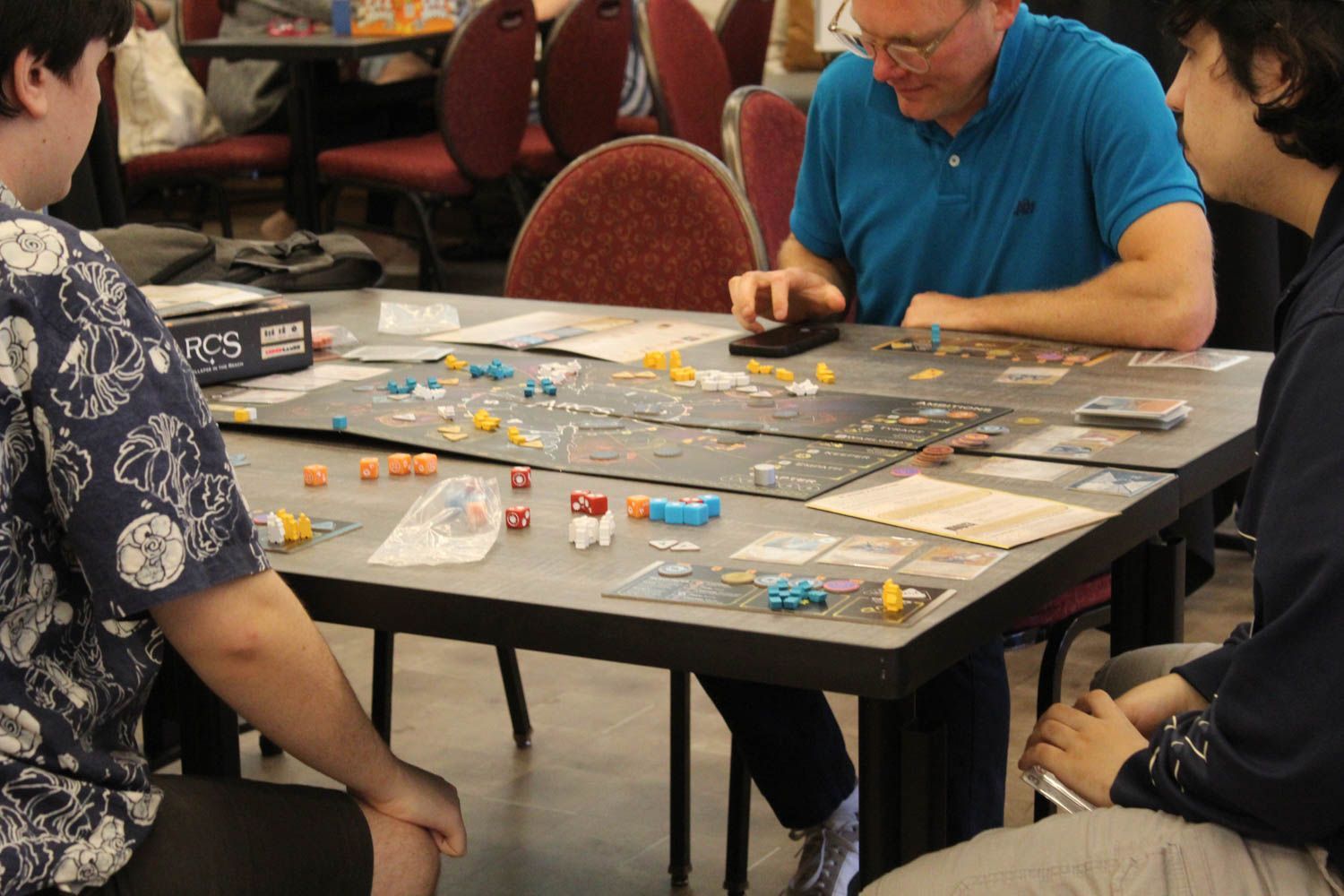
Not sure if GameSchoolCon is the right fit for your family? This guide helps you decide based on your how your family actually enjoys time together.
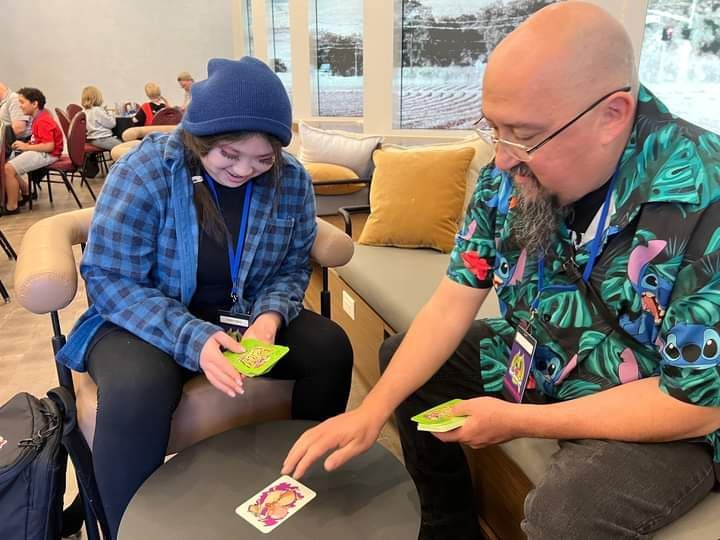
As kids move into the tween and teen years, family time changes. Interests shift. Schedules fill up. Conversations get shorter and sometimes more guarded. Parents often feel the distance growing and wonder how to stay connected without forcing it. What many families discover, sometimes by accident, is that games become one of the most reliable bridges during this stage . Not because games solve communication challenges, but because they create shared space where connection can happen naturally, without pressure or performance. And for tweens and teens, that kind of connection often matters more than ever. Connection Looks Different at This Age Tweens and teens are in the process of separating and redefining themselves. They want independence, privacy, and autonomy, but they still need connection and safety. Direct conversations can feel intense. Forced family bonding can feel awkward or unwanted. Games offer something different. They allow parents and kids to be side by side rather than face to face. The focus is shared activity instead of emotional spotlight. Connection happens through problem-solving, strategy, laughter, and shared frustration, not through heavy conversations that can feel risky or uncomfortable. For many teens, this is the sweet spot. Games Require Interaction in a Way Other Family Activities Do Not Many families default to movie night when they want time together. Movies can be cozy and familiar, and they have their place. But movies are passive. Once the film starts, everyone is quiet. Interaction drops off. And realistically, phones often enter the picture. Even when everyone stays present, the experience is parallel rather than shared. Games work differently. Playing a game together requires interaction. You have to respond to one another. You make decisions, negotiate rules, react to outcomes, and adapt together. Even simple games create moments of collaboration, disagreement, humor, and surprise. That interaction is where connection actually forms. Games Create Low-Pressure Relationship Time One of the reasons games work so well with tweens and teens is that they remove the spotlight. When you play a game together, no one is expected to perform emotionally. You are not asking your child to explain their feelings or open up on demand. You are simply doing something together. Over time, those moments stack. Kids often talk more freely during or after a game. Conversations drift naturally. Even silence feels comfortable instead of strained. The game gives everyone something to return to when words feel hard. Video Games Let You Step Into Their World For many tweens and teens, video games are not just something they play. They are places they spend time, build skill, connect with friends, and express identity. When parents step into that space, something important happens. Playing a video game with your child, watching them play, or letting them teach you their favorite game is not about becoming a gamer. It is about showing interest in a world that matters deeply to them. Kids notice this immediately. They love seeing their parents try their games. They notice when you ask questions, when you laugh at your own mistakes, when you genuinely engage. Even sitting beside them while they play communicates curiosity and respect. You are not just playing together. You are entering their world on their terms. That kind of effort builds trust in a way lectures and rules never will. Shared Play Builds Mutual Respect When parents play games with tweens and teens, power dynamics soften. You are no longer just the rule-maker or evaluator. You are a teammate, an opponent, a collaborator. You follow rules together. You lose sometimes. You adapt. You learn. Kids see their parents as participants, not just authority figures. Parents see their kids’ creativity, competence, and problem-solving in action. That shared experience builds mutual respect, which is essential during the teen years. Games Make Returning to Each Other Easier One of the hardest parts of parenting tweens and teens is maintaining closeness as independence grows. Games make returning to each other easier. A game becomes a natural re-entry point after a busy week or a tense day. It gives families something familiar to come back to without needing to resolve everything first. For many households, games are the constant that remains even as everything else changes. Playing Together Still Matters Playing games together is not about reliving childhood. It is about meeting your kids where they are now. Whether it is a board game at the table, a cooperative video game on the couch, or sitting beside your teen while they show you a world they love, these moments matter. They create interaction, trust, and shared experience in ways passive activities cannot. For tweens and teens, play is not something they outgrow. It is something that grows with them. See This Kind of Connection in Action For many families, the ideas in this post are not theoretical. They are something they experience firsthand at GameSchoolCon. The event is designed around shared play across ages, including board games, tabletop roleplaying games, active games, and video games. Parents and kids play together, learn together, and build the kind of low-pressure connection that becomes harder to find during the tween and teen years. If you are curious what it looks like when families are given space to play, explore, and connect without being rushed, join us at GameSchoolCon - February 19-22, 2026.
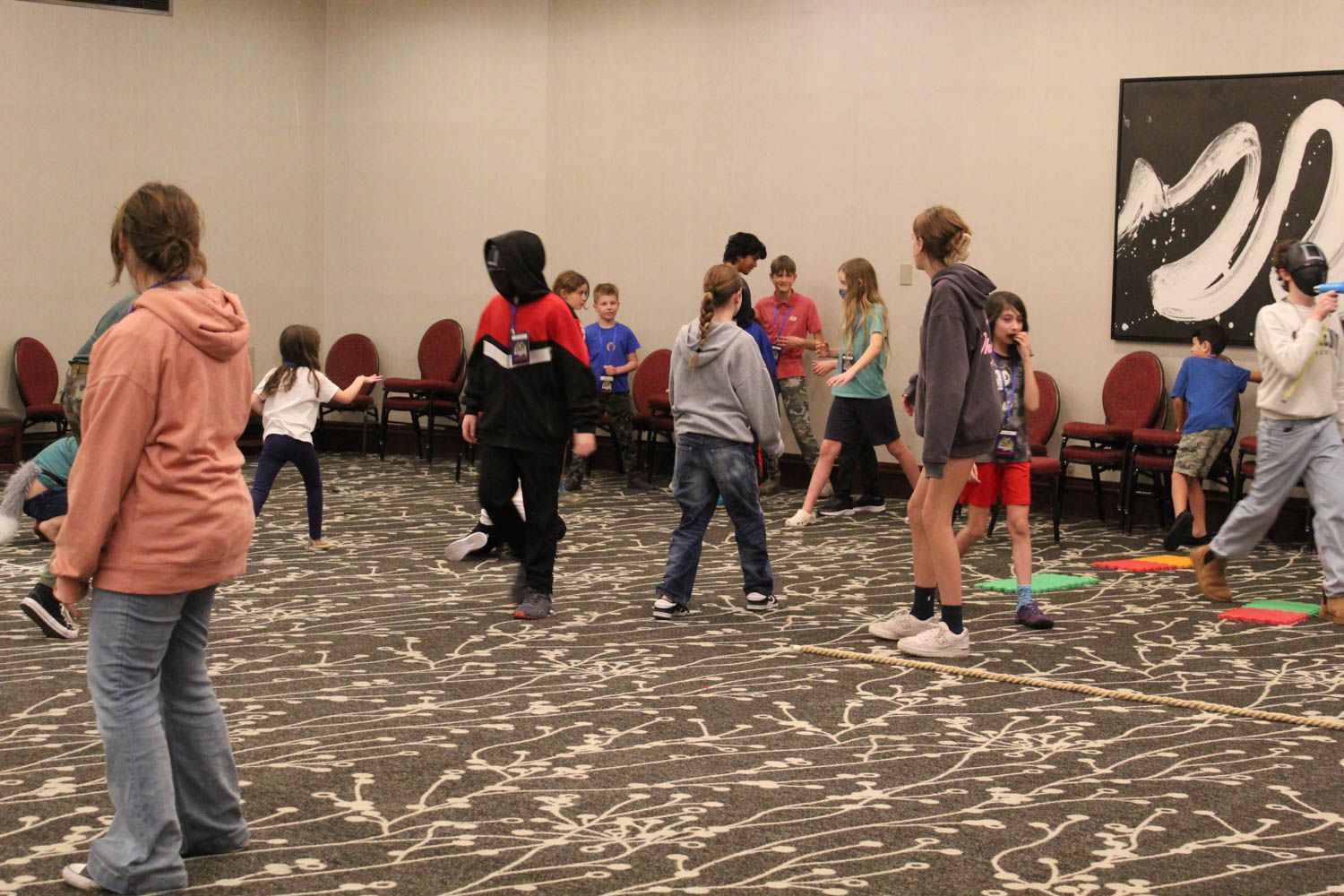
Families are not short on options when it comes to events. Every year brings a steady stream of activities, conventions, programs, and weekends promising fun, enrichment, or connection. Many of them sound appealing. Fewer of them genuinely work for the way real families function. When time, energy, and money are limited, the question is rarely “Is this interesting?” It is “Is this worth committing to for our family?” GameSchoolCon stands out not because it rejects familiar event formats, but because it rethinks how those formats are combined. It takes elements families recognize and reshapes them around participation, choice, and shared experience. The result feels noticeably different once you are there. What Family Events Typically Look Like Most family events fall into a few familiar patterns. Some are activity-based , like fairs or expos. They offer a lot of variety, but engagement is often brief. Families move quickly from one attraction to the next, balancing excitement with crowds, waiting, and logistics. Others are conference-style , organized around talks, panels, or workshops. Value is tied to attendance, and missing sessions can feel like missing out. These events tend to be more observational than participatory. Some are entertainment-first , where families watch tournaments, performances, or demonstrations. There is a clear separation between participants and audience. Many kid-focused events are also split experiences, where children attend programming while adults supervise, wait nearby, or attend separate sessions. Families arrive together but spend much of the event apart. These formats are familiar, and they work well for what they are designed to do. They also shape expectations going in. How GameSchoolCon Is Structured Differently GameSchoolCon does not rely on a single event model. Throughout the weekend, there is a full schedule with structured opportunities happening all day. Families can choose from tabletop roleplaying game sessions, strategy and crunch-heavy board games, active games like Nerf or laser tag, video game tournaments, and a small number of discussions and panels. Alongside those scheduled activities, the game library remains open for drop-in play. What makes this different is not the absence of structure, but how that structure is used. Instead of funneling everyone through one track or defining value by how many sessions are attended, the schedule creates parallel opportunities. Families choose where to spend their time based on interest, energy, and curiosity. You can commit deeply to a session, sample different activities, or spend long stretches in open play. The structure exists to create options, not obligations. Participation Is the Center, Not the Periphery Another key difference is how participation works. At many events, families watch things happen. At GameSchoolCon, families are actively playing together. Adults are not spectators while kids participate, and kids are not rushed from attraction to attraction while adults wait on the sidelines. Parents and kids sit at the same tables. They learn rules together, negotiate strategies together, and experience wins and losses side by side. Active games, tournaments, and roleplaying sessions are designed for engagement, not observation. This shared participation changes the tone of the weekend. It feels less like consuming an event and more like spending time in a space built around play. Discovering New Games Without the Risk One of the most valuable parts of GameSchoolCon is the opportunity to learn and play new games in a low-pressure, low-risk way. Families often arrive curious about games they have heard about but never tried, especially larger or more complex titles that feel like a gamble to purchase sight unseen. At GameSchoolCon, those games are already on the table. You can sit down, learn the rules, play a round, and get a real sense of whether a game fits your family’s interests and play style. Some games click immediately. Others do not. Both outcomes are expected. There is no pressure to finish, no obligation to stick with something that is not working, and no sense that moving on means you missed out. Exploration is part of the design. At the same time, when a game does resonate, there is room to stay with it. Families often return to favorites, build confidence with repeated play, or discover new strategies as they go. Over the weekend, many families naturally narrow in on the games they genuinely enjoy most. That is why people often leave GameSchoolCon with clear favorites in mind. Through raffles, play-to-win opportunities, or the vendor hall, families go home with games they have already learned, played, and loved, rather than guesses pulled from a shelf. The Connections Do Not End When the Weekend Does One difference families often do not expect is how relationships continue after the event. Kids regularly meet friends they stay in touch with long after GameSchoolCon ends. They keep playing games together online, reconnect through shared platforms, and build ongoing friendships that extend well beyond the weekend. Because of that, returning to GameSchoolCon feels different. It does not feel like starting over. It feels more like a family reunion. Kids look for people they already know. Parents recognize familiar faces. There is a sense of continuity that is rare in one-off family events. That ongoing connection changes how families experience the weekend. It becomes part of a longer story rather than a single isolated experience. What Tends to Stay With Families After the weekend ends, the impact is usually subtle rather than dramatic. Families talk about playing more games together at home. Kids suggest games they discovered or revisit ones they learned at the event. Parents notice increased confidence around social play and collaboration. Everyone remembers what it felt like to spend time together without rushing. What stays is not a checklist of activities or a set of instructions. It is the experience of shared play in an environment designed to support it. Why This Difference Matters GameSchoolCon tends to resonate with families who enjoy structure but want flexibility, who value learning but do not want to sit through lectures, and who want to participate together rather than divide into separate experiences. It does not try to be everything. It combines the strongest elements of several familiar event types into something deeper, more participatory, and more human. For families looking for an event built around games as a shared experience rather than a performance or a lesson, that difference is what makes the weekend memorable. Learn More About the Weekend GameSchoolCon takes place at the end of February and offers a wide range of ways to participate. If you want to explore further, you can: review the schedule to see the variety of sessions and activities browse the game library to get a sense of what is available to play visit the registration page to see attendance options You do not need to do everything to have a good experience. You just need the space to play, explore, and connect.
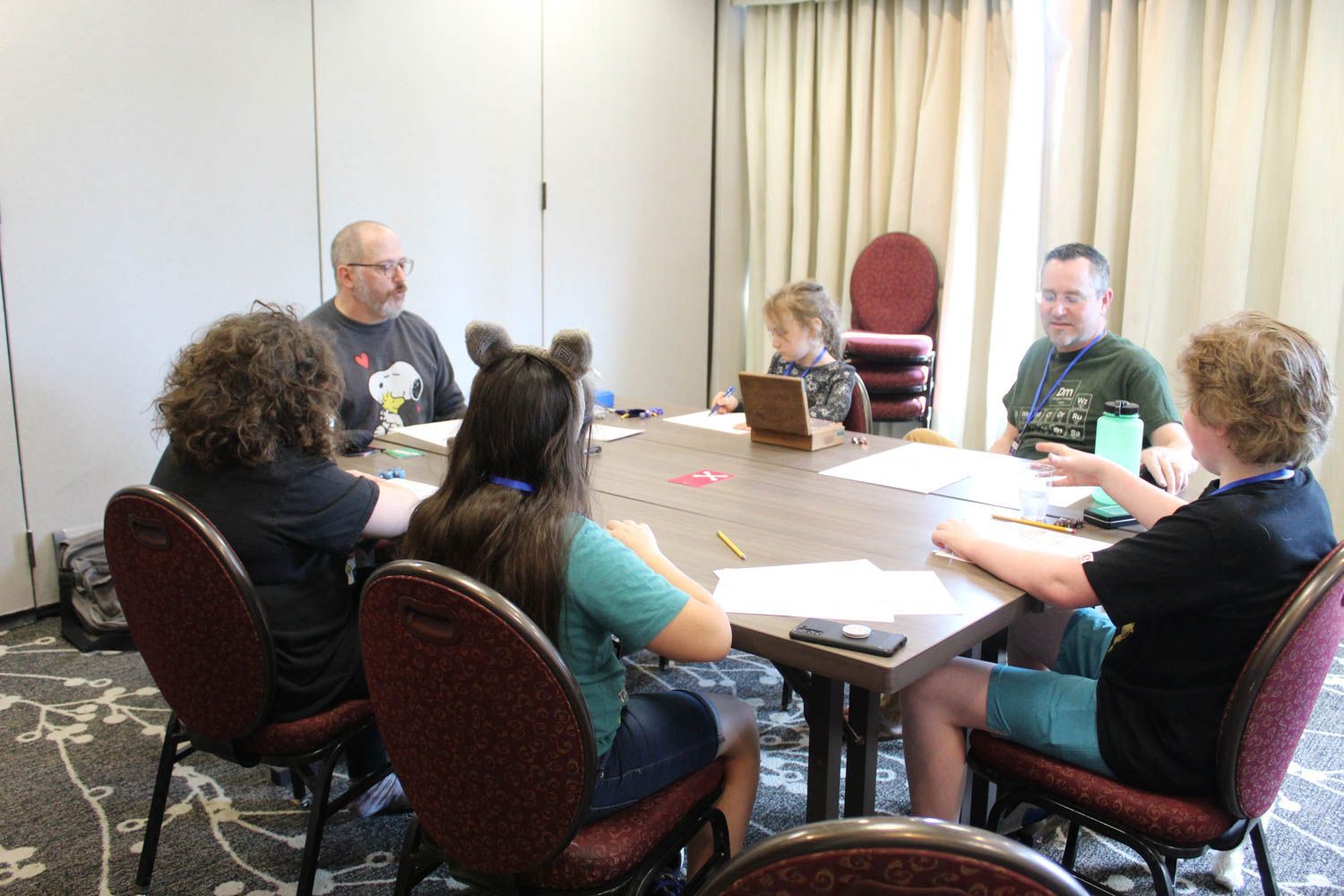
Not all gaming conventions work for kids. Learn what makes a family gaming convention different and whether GameSchoolCon is the right fit for your family.
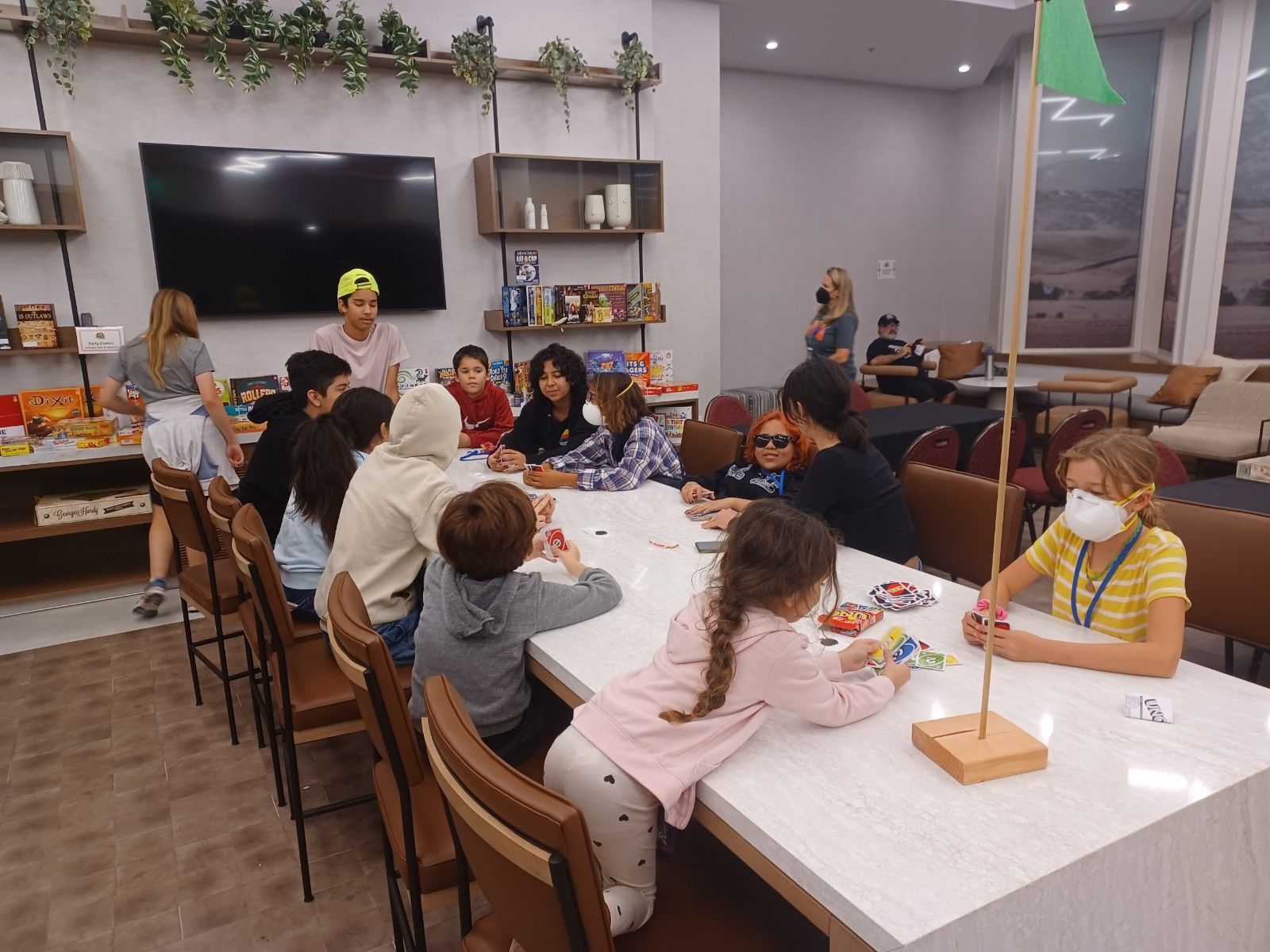
Wondering what GameSchoolCon is really like? From the game library to tournaments, here’s what it feels like to spend a weekend at this family gaming convention.
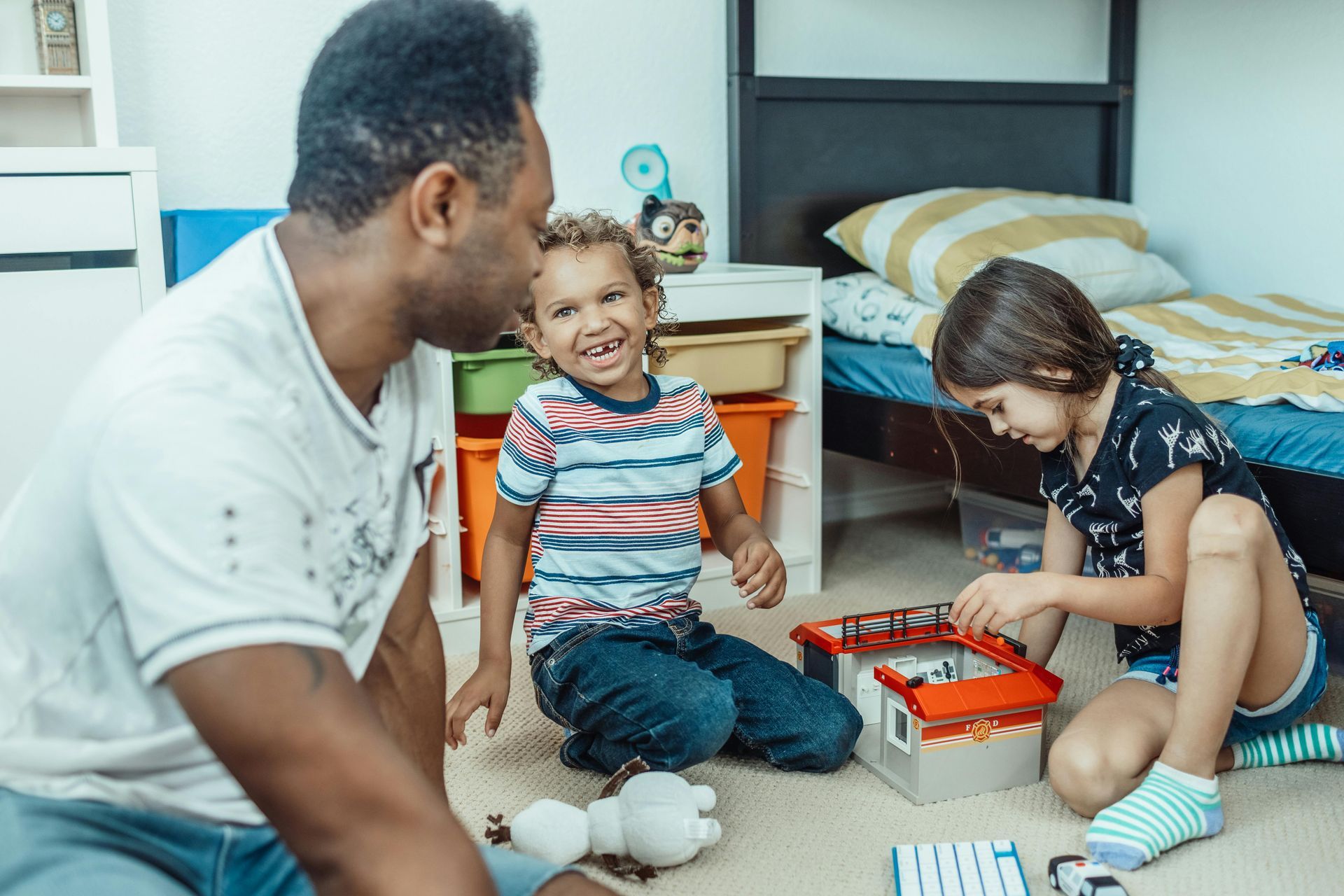
Find games that work for kids of different ages. Simple rules, quick turns, and fun stories that keep everyone playing together. Explore more at GameSchoolCon.
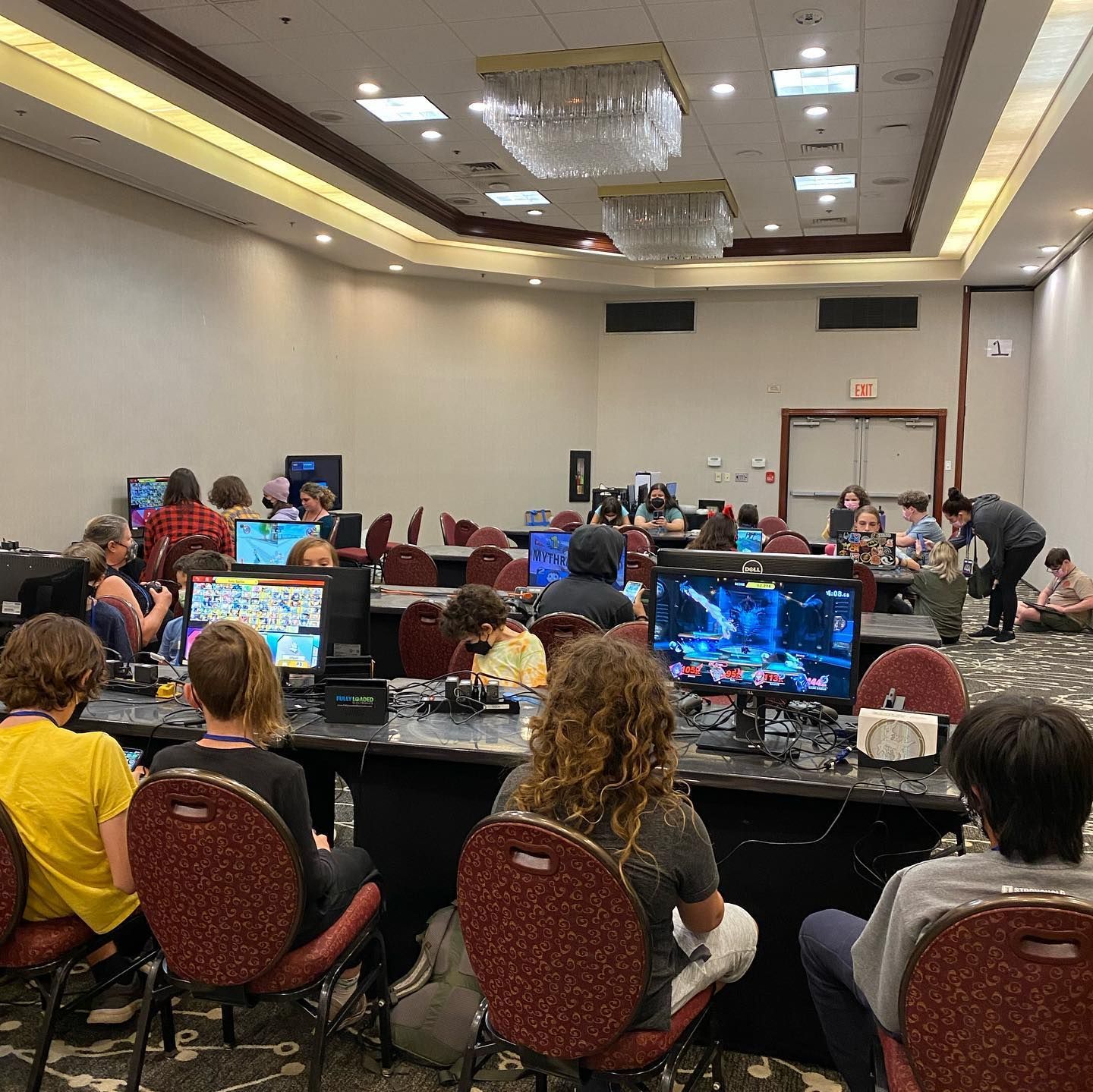
Part of a two-part series with Unschooling Mom2Mom, explore how games connect people, spark conversation, and help families build lasting community.

Kids need safe ways to experience frustration and practice perseverance. Learn how games help children build resilience, and emotional strength through play.